Summer Remodeling Ideas That Keep Your Home Cool
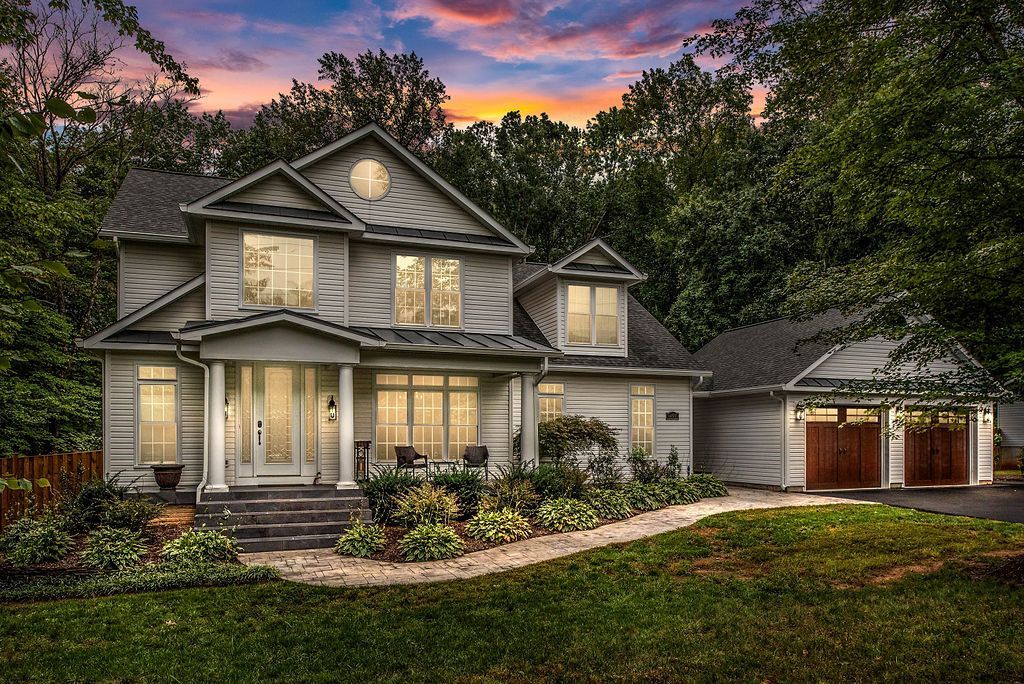
Summer heat can put extra strain on your home and your air conditioner. Learn how smart remodeling upgrades like better insulation, energy-efficient windows, improved ventilation, and exterior shading can help keep your Northern Virginia home cooler while lowering energy costs.
Summer in Northern Virginia often brings long stretches of hot, humid weather. While it's tempting to simply turn the thermostat down, your air conditioner can only do so much if your home isn't built to keep heat out in the first place.
Your home is more than just four walls, it's a system designed to protect you from the elements. The way your roof, windows, insulation, and ventilation work together has a major impact on your comfort and monthly energy bills. If your home struggles to stay cool during the summer, it may be time to consider upgrades that improve how your home handles heat rather than simply fighting against it.
Stop the Sun Before It Enters Your Home
One of the biggest sources of unwanted heat is direct sunlight entering through your windows. Once sunlight passes through the glass, it becomes trapped inside, creating a greenhouse effect that forces your HVAC system to work overtime.
There are several remodeling solutions that can dramatically reduce solar heat gain:
● Install architectural awnings or overhangs over south- and west-facing windows to block the strongest afternoon sun.
● Add decorative louvers or shade structures that improve both curb appeal and energy efficiency.
● Upgrade to modern, energy-efficient windows with Low-E glass and a low Solar Heat Gain Coefficient (SHGC), which reflects heat while still allowing plenty of natural light indoors.
These improvements help maintain comfortable indoor temperatures while reducing cooling costs throughout the summer.
Strengthen Your Home's Thermal Envelope
Think of your home's insulation as the barrier that keeps outdoor temperatures where they belong, outside. Many older homes lose a surprising amount of cool air through under-insulated attics and poorly sealed building materials. During the summer, attic temperatures can easily exceed 130°F, allowing that heat to radiate into the rooms below.
Upgrading your home's thermal envelope may include:
● Adding blown-in cellulose or spray foam insulation to improve attic R-values.
● Air sealing gaps that allow conditioned air to escape.
● Installing radiant barrier systems beneath the roof to reflect heat away before it enters the attic.
These upgrades often provide year-round benefits by making your home more comfortable during both the hottest summers and coldest winters.
Improve Ventilation for Better Airflow
Heat naturally rises, which is why second floors often feel much warmer than the rest of the home. Proper ventilation helps move trapped hot air out before it builds up.
Some of the most effective improvements include:
● Installing continuous ridge and soffit vents that create natural airflow through the attic.
● Improving attic ventilation to reduce heat buildup beneath the roof.
● Adding a whole-house fan, where appropriate, to quickly replace warm indoor air with cooler evening air.
Another common issue we see is homes with a single HVAC system serving multiple levels. While one thermostat controls the entire house, the upper floor often stays much warmer than the lower levels because heat naturally rises. Homeowners frequently lower the thermostat to cool the upstairs, only to make the basement and first floor uncomfortably cold.
During a remodel, adding a dedicated HVAC unit for the upper level, often installed in the attic and paired with improved attic insulation, allows the second floor to have its own thermostat and independent temperature control. This creates more balanced comfort throughout the home, reduces strain on the main HVAC system, and can improve overall energy efficiency.
When ventilation and insulation work together, your HVAC system doesn't have to work nearly as hard to maintain a comfortable temperature.
Consider Remodeling Projects That Improve Energy Efficiency
If you're already planning a renovation, summer is an excellent time to incorporate energy-efficient upgrades into the project.
Whether you're remodeling a kitchen, finishing a basement, adding new living space, or updating the exterior, today's building materials offer significant improvements over products installed even 15 or 20 years ago.
Modern remodeling projects can include:
● Energy-efficient windows and doors
● Better insulation throughout the home
● Improved roofing systems
● Enhanced ventilation
● Smarter building materials designed to reduce heat transfer
These upgrades not only improve comfort but can also increase your home's value while lowering long-term utility costs.
Let Thomas Custom Builders Help You Build a More Comfortable Home
Every home is different, which means the right solution depends on your home's age, layout, and construction.
At Thomas Custom Builders, we help homeowners throughout Northern Virginia create homes that are more beautiful, functional, and energy efficient. Whether you're planning a major renovation, replacing windows, updating your exterior, or tackling a full home remodel, we'll help you identify improvements that make a lasting difference in comfort and performance.
If your home struggles to stay cool every summer, now is the perfect time to explore remodeling solutions that work with your home, not against it. Contact Thomas Custom Builders today to schedule a consultation and discover how thoughtful renovations can help your home stay cooler, more efficient, and more enjoyable all summer long.